Mastering the Art of Writing a Blog Entry: A Step-by-Step Guide to Creating Engaging Content
Welcome to this comprehensive tutorial on writing a blog entry, where you will learn the essential steps to create engaging, informative, and well-structured content that resonates with your target audience. In this guide, we will walk you through the process of crafting a compelling blog post, from planning and research to writing and optimization. By the end of this tutorial, you will be equipped with the skills and knowledge to write effective blog entries that drive traffic, boost engagement, and establish your brand as an authority in your niche.
Step 1: Planning and Researching Your Blog Entry
Before you start writing your blog entry, it's essential to plan and research your topic. This involves identifying your target audience, defining your content's purpose, and gathering relevant information to support your arguments. Start by brainstorming ideas, conducting keyword research, and outlining your content's structure. For example, if you're writing about "blog entry format," you can research popular blog post templates, such as the one provided by DataViking. 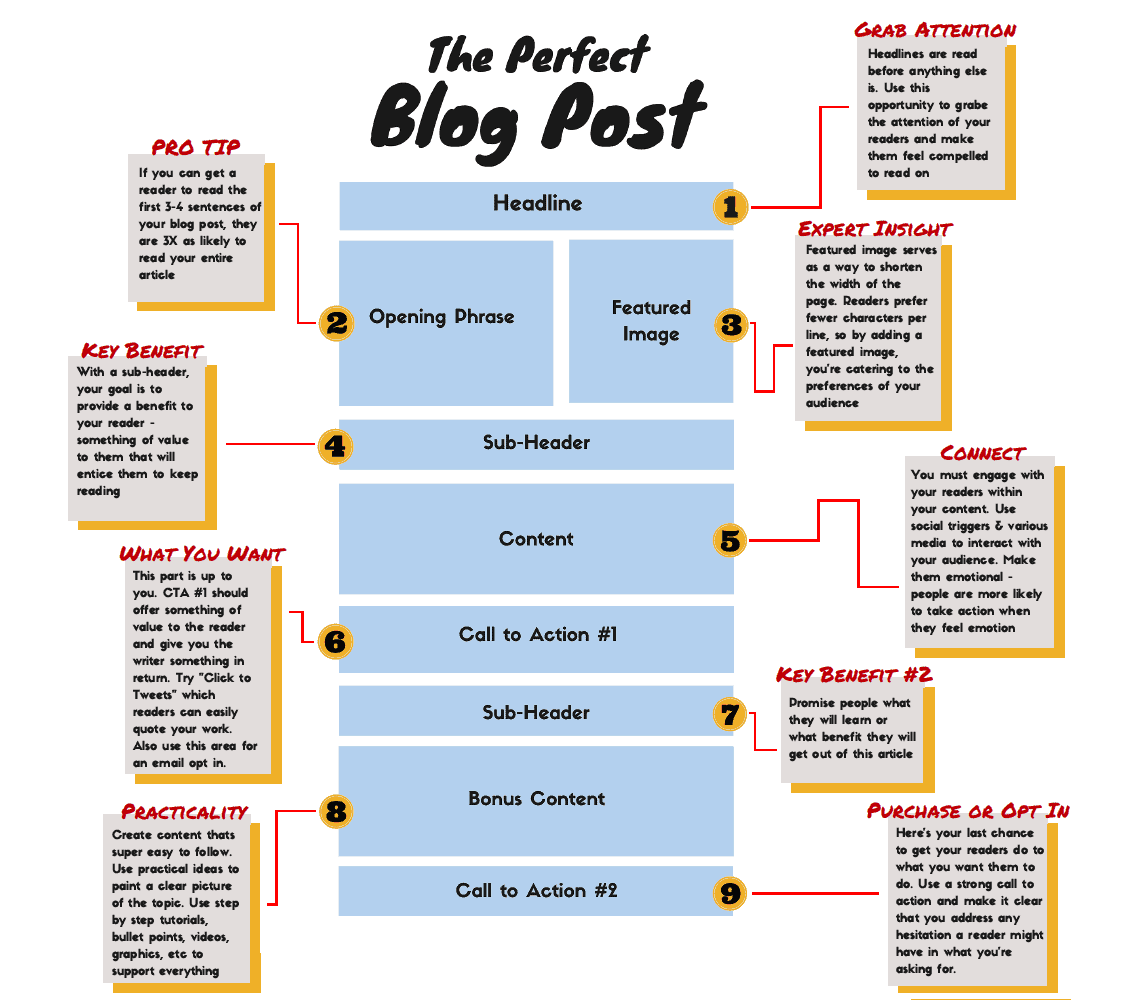
Step 2: Crafting a Compelling Title for Your Blog Entry
Your blog entry's title is the first thing readers will see, so it's crucial to make it count. A good title should be attention-grabbing, informative, and optimized for search engines. Use relevant keywords, such as "writing a blog entry," and make sure your title accurately reflects your content's topic and tone. For instance, a good title for a blog entry about blog writing could be "The Ultimate Guide to Writing a Blog Entry: Tips and Tricks for Beginners."

Step 3: Writing Your Blog Entry
Now it's time to start writing your blog entry. Begin by introducing your topic and providing some background information. Then, break down your content into sections or subsections, using headings and subheadings to organize your ideas. Use a conversational tone, and make sure your language is clear, concise, and engaging. Include examples, anecdotes, and quotes to support your arguments and add depth to your content. For example, if you're writing about "blog entry format," you can discuss the importance of using headings, subheadings, and bullet points to make your content more readable.
Step 4: Optimizing Your Blog Entry for SEO
Search engine optimization (SEO) is crucial for increasing your blog entry's visibility and driving traffic to your website. To optimize your content for SEO, use relevant keywords, such as "writing a blog entry," throughout your title, headings, and body. Make sure your meta description is accurate and compelling, and use header tags (H1, H2, H3) to structure your content. You can also use internal and external linking to enhance your content's credibility and authority. For instance, you can link to other relevant blog entries or external sources, such as DataViking's blog post template.
Step 5: Editing and Proofreading Your Blog Entry
Once you've finished writing your blog entry, it's essential to edit and proofread your content. Check for grammatical errors, punctuation mistakes, and spelling mistakes. Make sure your language is clear, concise, and engaging, and your tone is consistent throughout your content. Use tools like Grammarly or Hemingway Editor to help you refine your writing and improve your content's readability. For example, you can use Grammarly to check for grammar and punctuation errors, and Hemingway Editor to simplify your language and reduce complexity.
Step 6: Publishing and Promoting Your Blog Entry
Finally, it's time to publish and promote your blog entry. Choose a relevant category and tag your content with relevant keywords, such as "writing a blog entry." Use social media platforms to share your content, and engage with your readers by responding to comments and creating a community around your blog. You can also use email marketing to promote your content and drive traffic to your website. For instance, you can create a newsletter that showcases your latest blog entries, including your "writing a blog entry" tutorial.
Frequently Asked Questions:
Q: What is the ideal length for a blog entry?
A: The ideal length for a blog entry varies, but it's generally recommended to keep your content between 500-1000 words.
Q: How often should I publish new blog entries?
A: The frequency of publishing new blog entries depends on your target audience and content strategy, but it's generally recommended to publish at least once a week.
Q: What are the most important SEO keywords to use in my blog entry?
A: The most important SEO keywords to use in your blog entry are relevant keywords that accurately reflect your content's topic and tone, such as "writing a blog entry" or "blog entry format."
How To Write And Structure A Blog Post Your Readers And Google Will Love
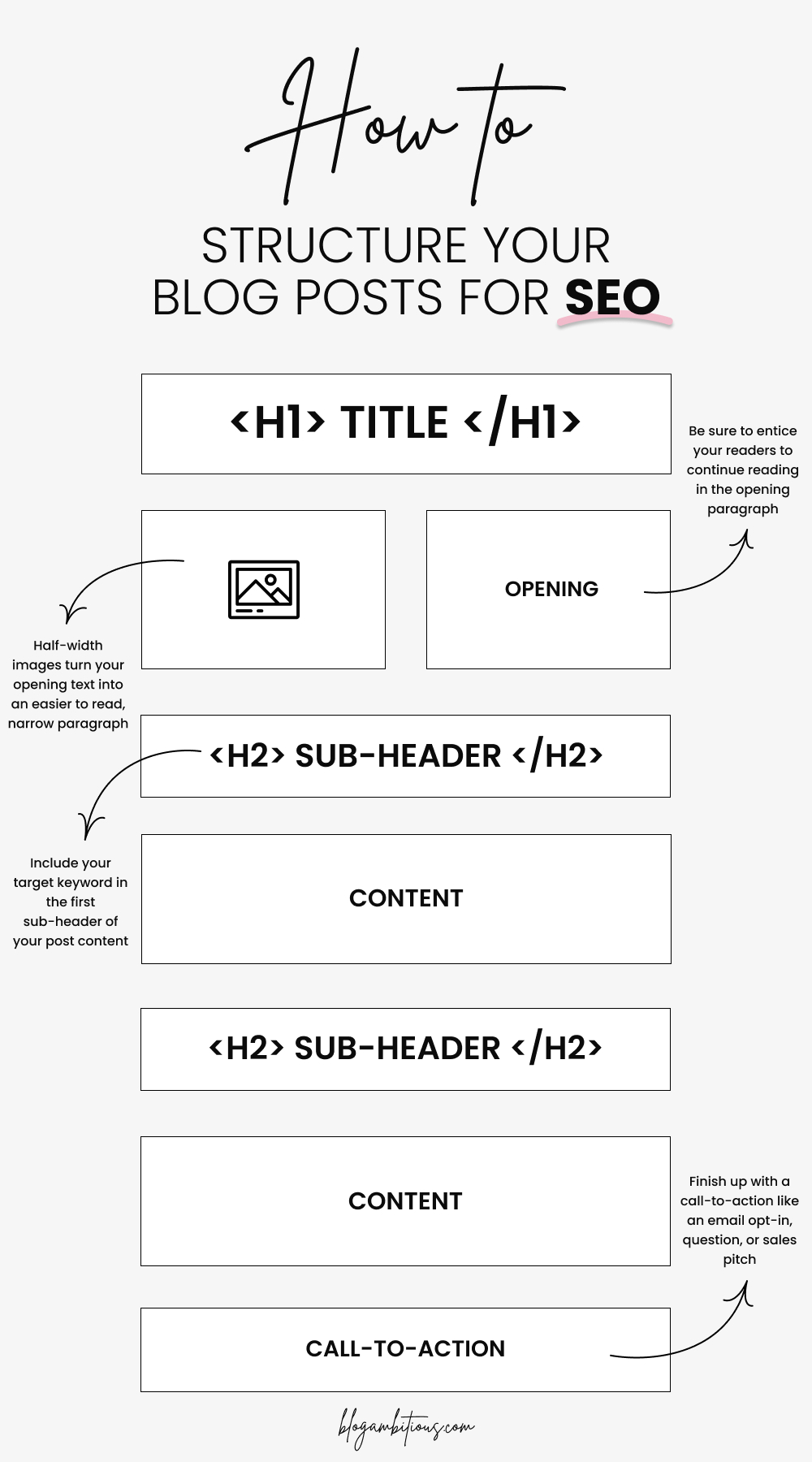
How to Write and Structure a Blog Post Your Readers and Google Will Love
How To Write A Blog Entry | PDF | Blog

How To Write A Blog Entry | PDF | Blog
Blog Entry Format Word Chasm Writing Gadmowera | Tips Blogging
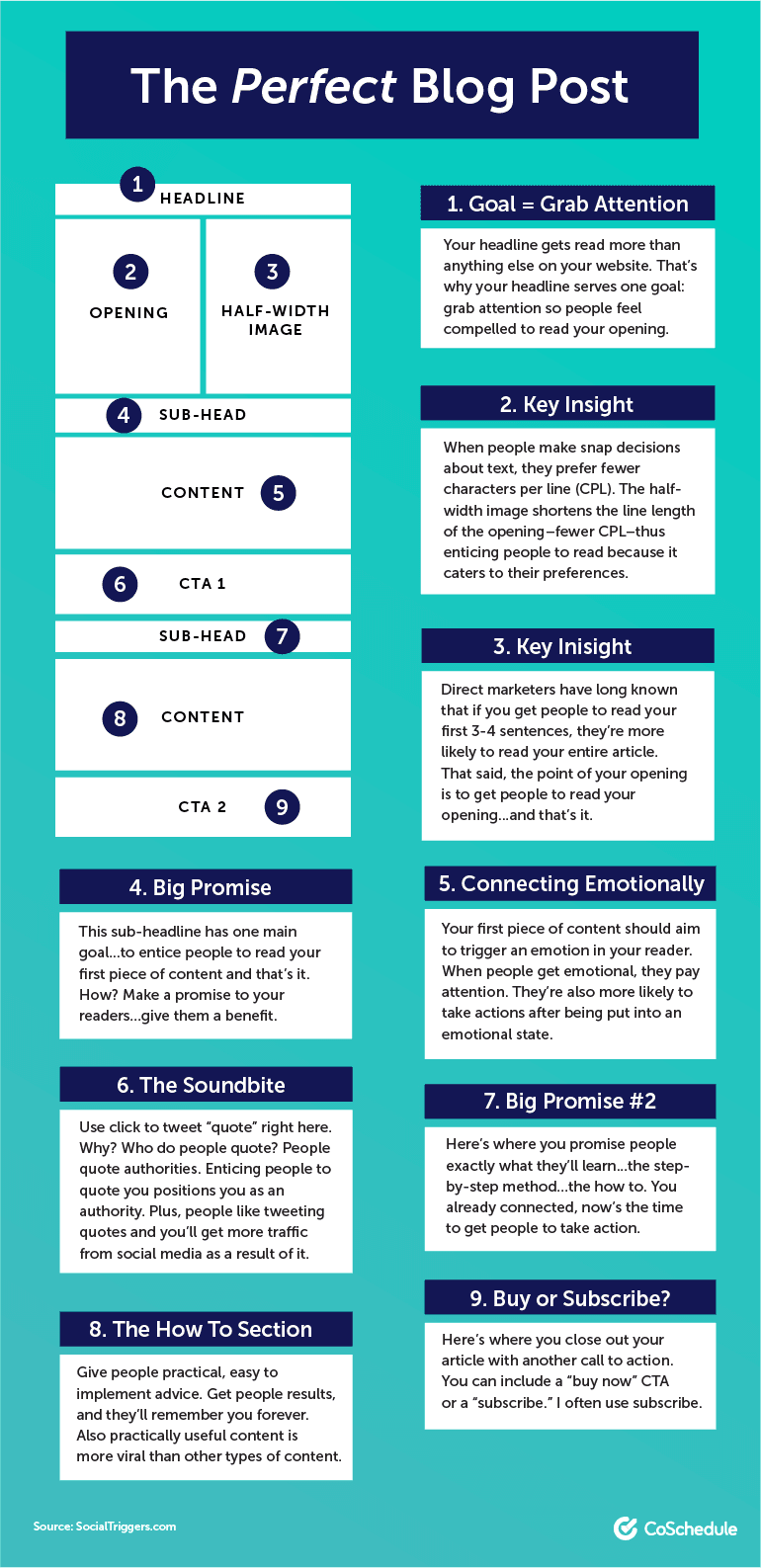
blog entry format Word chasm writing gadmowera | Tips Blogging